SAPE Annual Conference 2026
Date : 25 September (Fri) | Time : 12pm – 5pm
Venue : NTUC Centre, One Marina Boulevard
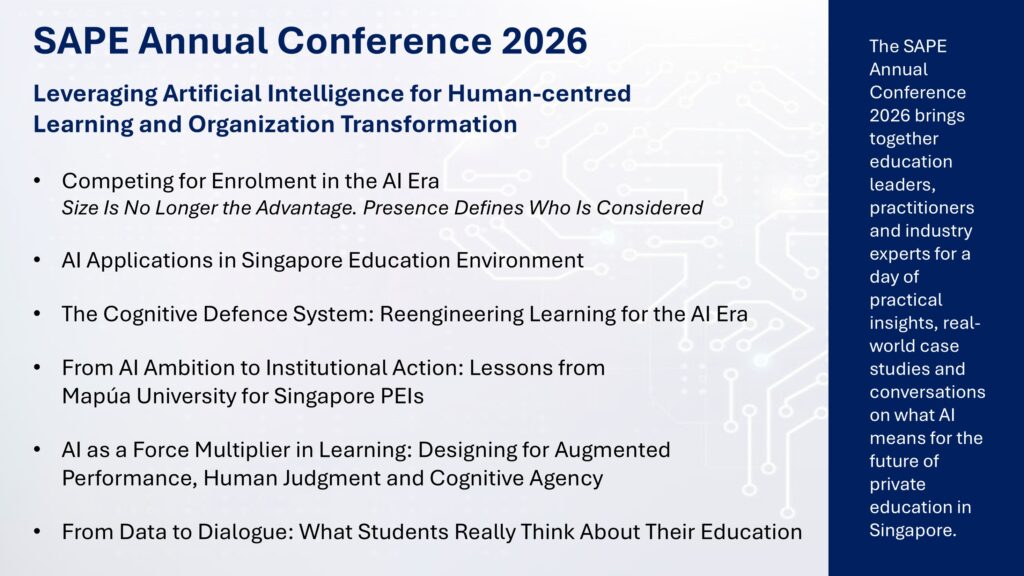
Theme : Leveraging Artificial Intelligence for Human-centred Learning and Organization Transformation
Registration Link: https://sape-250926.eventbrite.sg
Conference Fee:
- $195 – Public Fee
- $150 – Supporting Partner Fee
- $ 50 – SAPE Member Fee
- Order 2 or more tickets and enjoy a 10% Group Discount on total ticket purchased
AI Is Reshaping Education. Is Your Institution Ready?
- AI is no longer a future conversation for education.
- It is already changing how students choose institutions, how they learn, how educators teach, how assessments are designed — and how education providers compete.
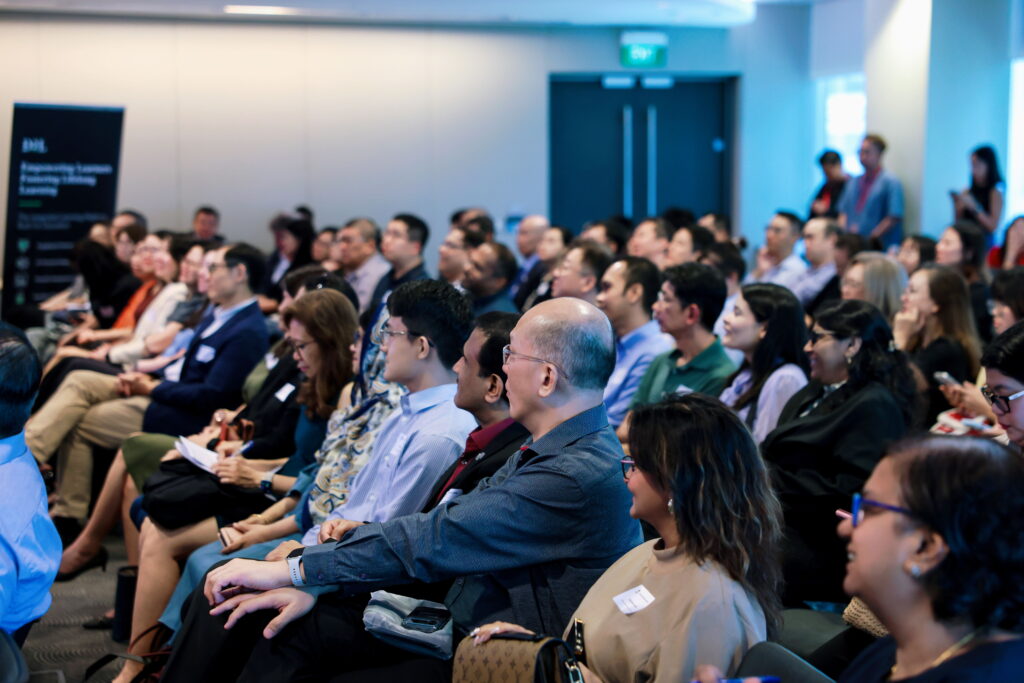
The SAPE Annual Conference 2026 brings together education leaders, practitioners and industry experts for a day of practical insights, real-world case studies and conversations on what AI means for the future of private education in Singapore.

Synopsis of the Talks
Competing for Enrolment in the AI Era
Size Is No Longer the Advantage. Presence Defines Who Is Considered.
Synopsis
- Your revenue is enrolment. Not only how many students, but how much each one is worth.
- That decision is increasingly made inside an AI engine. Eighty-three per cent of education queries now return an answer rather than a list of links, and that answer is the shortlist. If your institution is not in it, you are not being considered.
- For the China market it goes further. Google is blocked, WeChat is a closed world, and the engines that answer there are not the ones your marketing was built for. Nothing you publish reaches across.
- Meanwhile Singapore ranks second in the world for generative AI use among its people, while fewer than four organisations in a hundred have integrated it into how work actually runs. The people have moved further than the institutions.
- This session shows where your institution stands on the four dimensions that decide whether an engine cites you, why the answer has nothing to do with academic prestige, and why fixing it is a reallocation of the marketing budget you already spend rather than a new line of cost.
Speaker
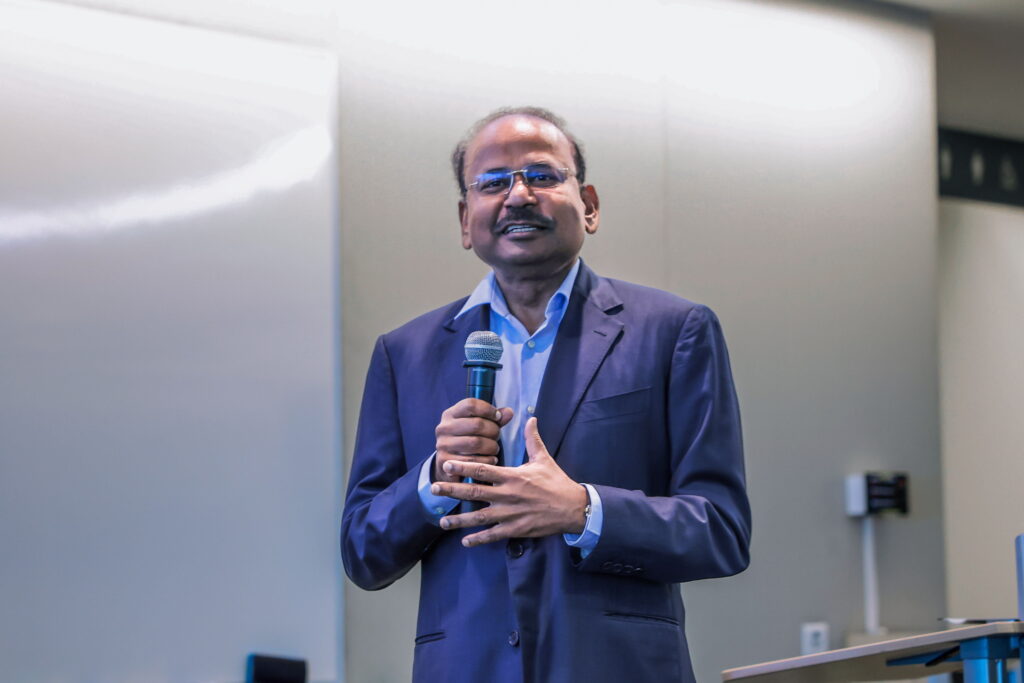
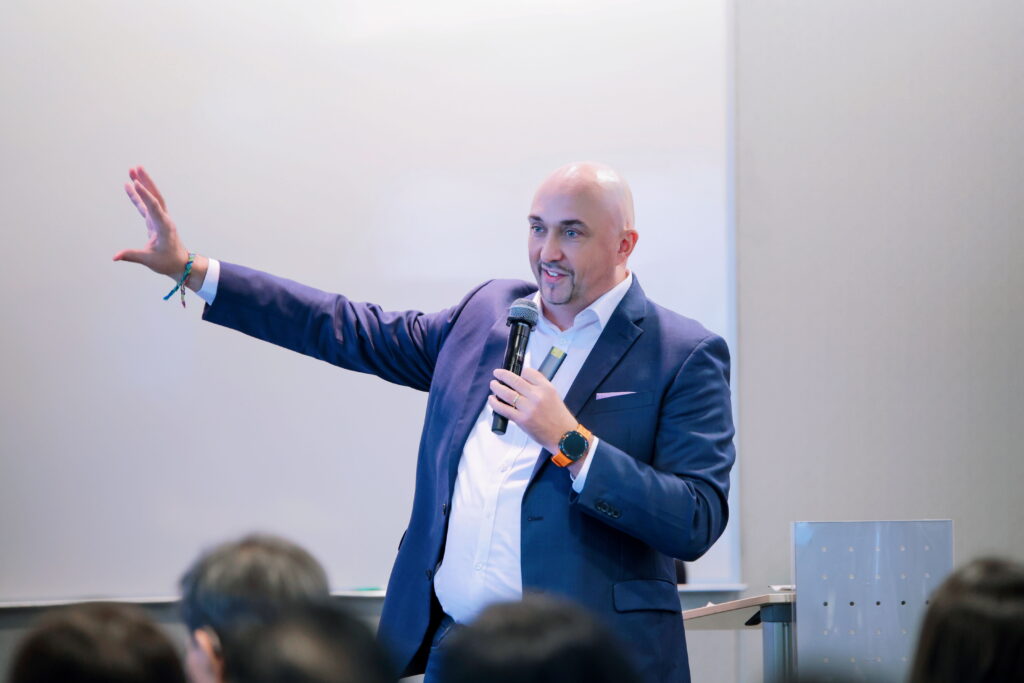
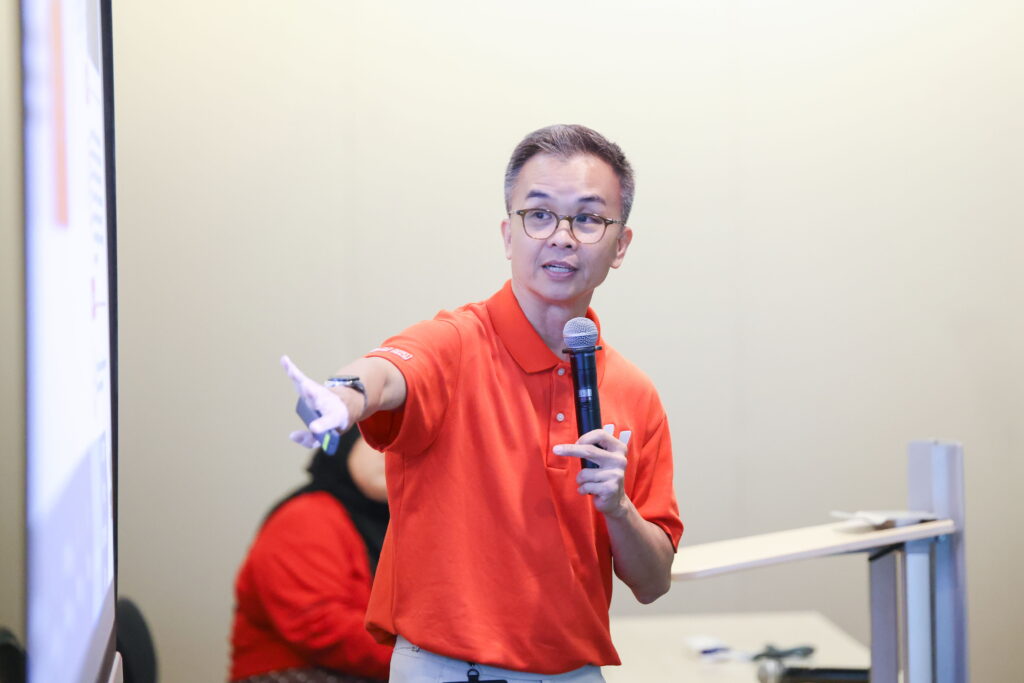
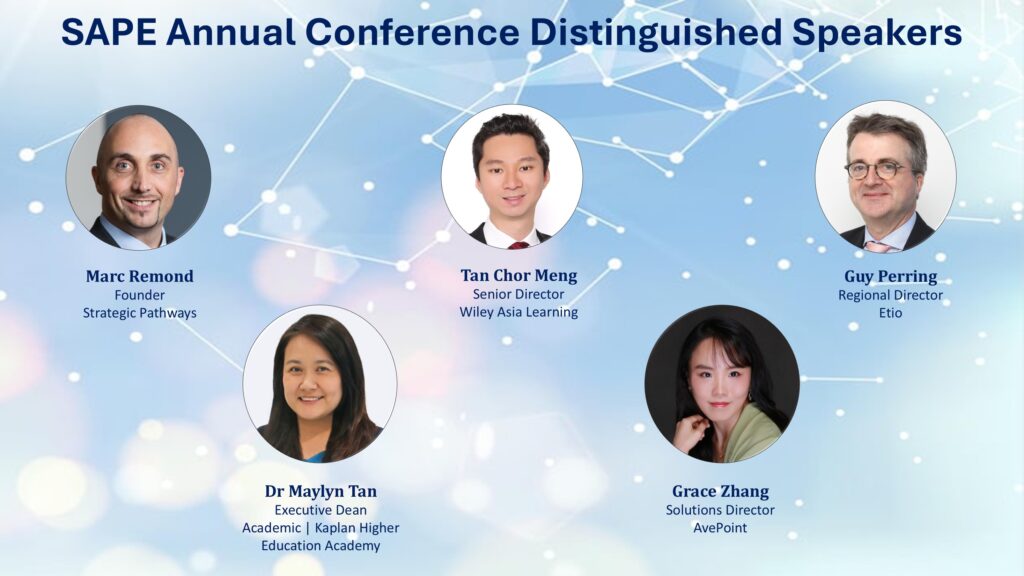
- Marc A. Rémond is the founder of Strategic Pathways, a Singapore advisory firm building operating models that enable business leaders to scale internationally.
- He spent over twenty-five years in enterprise technology with American and European technology companies, leading go-to-market, vertical solutions and user adoption across Asia Pacific, before turning that experience into a practice of his own.
- He writes and advises on The Intelligent Workplace, a category he defined and for which his platform holds the first organic position in Google, cited as the source definition by AI engines including Google AI Mode and Bing Copilot.
- He is the author of the book EVOLVE-OR-DIE.AI: Leading in the Era of Human and AI Intelligence, and the creator of The Intelligent Leader Programme. He publishes five weekly newsletters and runs his entire advisory practice on AI-powered systems he designed and built himself.
- His work rests on a single claim: “I have built it at the scale of one, and the principles do not change at the scale of a thousand.”
The Cognitive Defence System: Reengineering Learning for the AI Era
Synopsis
- AI has made knowledge instantly accessible. But when answers are always one prompt away, the challenge for education is no longer simply how to deliver knowledge – it is how to ensure students continue to think, question and exercise judgment.
- This session explores a different approach to AI in education: using technology not just to make learning more efficient, but to actively strengthen the human capabilities that AI makes increasingly easy to outsource.
- Through a reengineered learning and assessment experience, institutions can move students beyond passive consumption of AI-generated answers and develop them as critical thinkers, discerning evaluators and confident decision-makers—while giving educators new ways to design, facilitate and assess meaningful learning in an AI-enabled world.
- The goal isn’t to keep AI out of learning. It’s to design learning so that students become better thinkers because AI is there.
Speaker
- Grace Zhang is Solutions Director at AvePoint, where she works with organisations to address their digital transformation, collaboration, and information management needs. With a strong understanding of technology and business requirements, Grace helps organisations navigate the evolving digital landscape and identify practical solutions that improve the way people work, collaborate, and manage information.
- Her work sits at the intersection of technology, business strategy, and organisational transformation, giving her a practical perspective on how emerging technologies can create meaningful business impact. Grace is particularly interested in helping organisations translate technology opportunities into effective, sustainable outcomes.
- As a speaker, Grace brings a practical and solutions-focused perspective to the conversation around digital transformation, AI, and the future of work, sharing insights that organisations can apply to strengthen productivity, collaboration, and digital readiness.
What Does AI Transformation Really Look Like? Lessons from Mapúa University
From strategy and faculty capability to assessment, student value and institutional productivity
Synopsis
- AI transformation in education is moving beyond experimentation. The real challenge for institutions is how to turn AI strategy into changes that improve teaching, assessment, student value and institutional productivity — without losing academic standards or faculty ownership.
- This session examines Mapúa University’s AI transformation journey through a longitudinal case study, starting from its 2026 baseline and tracing how strategy, faculty capability, curriculum, assessment and technology evolve over time.
- Rather than presenting AI as a single technology solution, the session explores the institutional choices that make transformation work: how leadership sets direction while faculty retain academic judgment, how assessment can make student thinking and professional judgment visible, and how trusted content and AI tools can support faculty without replacing their expertise.
- The case also highlights practical applications across course development, assessment, student support and institutional AI — showing how trusted content can underpin more reliable and scalable AI-enabled learning.
- For Singapore PEIs, the question is not simply “How do we adopt AI?” but “How do we use AI to strengthen quality, student value and productivity while protecting what makes our education credible?”
- The session concludes with three practical starting points for PEIs: an AI transformation sprint, a trusted course pilot, or an assessment pilot — each designed to generate evidence before scaling.
Speaker
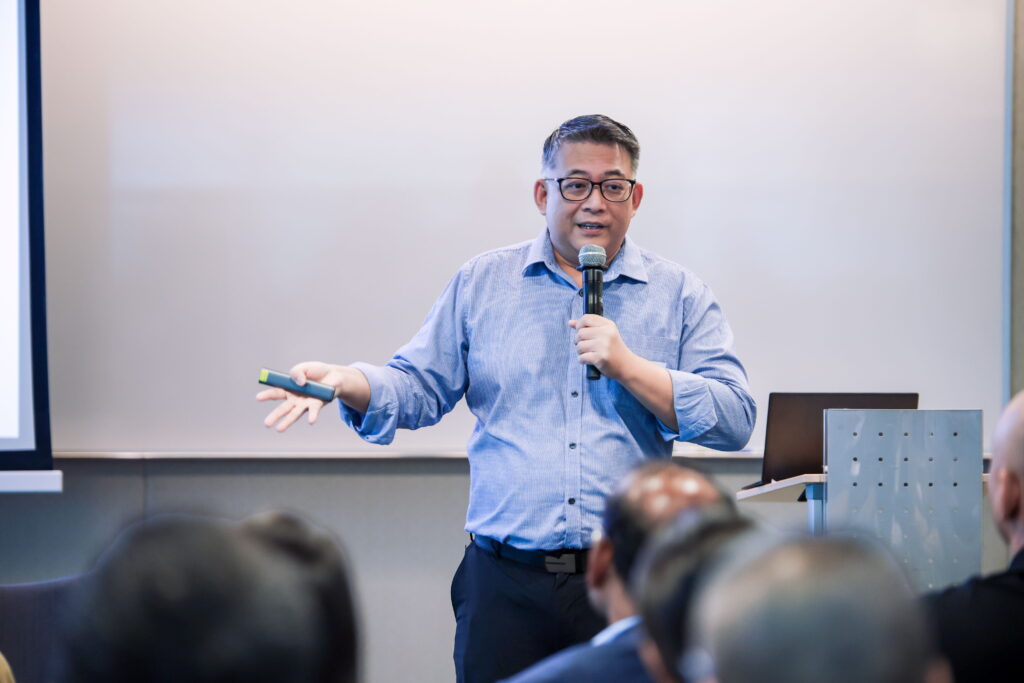
- Tan Chor Meng is Senior Director at Wiley Asia Learning, where he works with education institutions and learning organisations across Asia to support the evolving needs of learners, educators, and employers. With experience in the education and learning sector, he brings a strong understanding of the changing landscape of higher education, workforce development, and lifelong learning.
- Chor Meng is passionate about how technology and innovation can transform learning and help institutions better prepare students for a rapidly changing world. His work focuses on connecting education with the skills, capabilities, and outcomes needed by learners and employers in today’s increasingly digital economy.
- He brings a practical, industry-focused perspective to conversations around the future of education, digital learning, employability, and skills development, offering insights into how institutions can adapt, innovate, and create greater value for their learners and communities.
From Data to Dialogue: What Students Really Think About Their Education
Synopsis
- Education providers collect more student data than ever. But data alone does not tell the whole story. The more important question is whether institutions are asking the right questions — and genuinely listening to the answers.
- This session brings student insight to life by combining global survey data with the voices and experiences of students themselves. Etio will share key findings from its international student surveys, exploring what today’s learners value, expect and experience across areas including engagement, support, employability, technology and AI.
- Rather than a traditional presentation, the session creates a dialogue between what the data says and what students say. Students will respond to the findings, challenge or validate the trends, and share their own experiences of what is working — and what is not.
- Guy Perring will facilitate the conversation, connecting global benchmarks with lived student experience and drawing out the implications for education leaders.
- The goal is not simply to understand what students think. It is to turn student voice into better decisions, better experiences and meaningful action.
Speaker
- Guy Perring is Regional Director at Etio, brings over 25 years of experience in education, including teaching, administration, market research, and consultancy.
- Formerly with the British Council, he led initiatives connecting UK and Southeast Asian institutions.
- He shares insights at global conferences such as EAIE, APAIE and NAFSA. An alumnus of Manchester and Durham Universities, Guy focuses on international education improvement, enriching student experiences, and enhancing employment opportunities.
- His practical expertise drives transformative educational change.
AI as a Force Multiplier in Learning: Designing for Augmented Performance, Human Judgment and Cognitive Agency
Synopsis
- As generative and agentic AI become embedded in education, the central question is how AI can strengthen learning without weakening the cognitive effort required for mastery.
- This talk shares Kaplan (Singapore)’s pedagogy-led perspective on AI and teaching and learning, with emphasis on AI as a force multiplier for student support, academic capability, and future-ready skills.
- It explores how educators can balance efficiency with productive cognitive friction, preserve human judgment, and design learning experiences where students use AI responsibly while remaining active agents in their own learning.
Speaker
- Dr Maylyn Tan is Executive Dean, Academic at Kaplan Higher Education Academy, where she provides academic leadership and works closely with faculty and academic teams to strengthen teaching, learning, and student outcomes. She brings extensive experience in higher education, with a strong focus on academic quality, curriculum development, and creating meaningful learning experiences for diverse learners.
- Passionate about the evolving role of education in a rapidly changing world, Dr Tan is particularly interested in how institutions can leverage innovation, technology, and new approaches to learning while maintaining strong academic standards and student-centred outcomes.
- Through her leadership, Dr Tan contributes to the ongoing development of higher education that is relevant, responsive, and aligned with the changing needs of students, industry, and society. She brings a practical academic perspective to conversations on the future of learning, institutional transformation, and how education providers can prepare learners for an increasingly dynamic world.
ESSWG Introduction to the PEI Industry
Synopsis
- Singapore’s Private Education Institutions (PEIs) form an important part of the education landscape, serving a diverse community of local and international students across a wide range of programmes and qualifications.
- As members of the Education Safety and Security Watch Group (ESSWG), having a clear understanding of the PEI sector, its operating environment and the communities it serves is important in strengthening collaboration between education institutions and the Singapore Police Force.
- The session aims to provide the conference PEI participants with greater industry awareness and practical context, helping stakeholders better understand the environment in which ESSWG operate and the communities they support.
- Ultimately, a stronger understanding of the ESSWG initiative can help build closer partnerships, improve communication and support a more coordinated approach to safety, security and crime prevention across Singapore’s education community.
Speaker
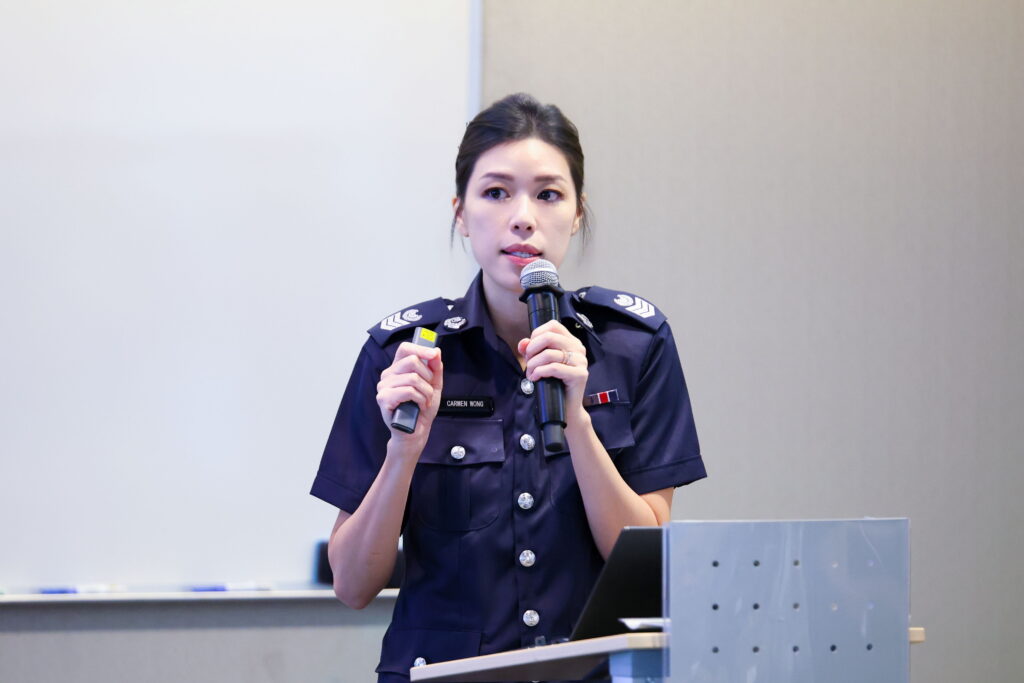
Carmen Wong , Senior Community Policing Officer
Community Policing Unit. Marina Bay NPC, Central Division
Singapore Police Force